Weaving the world with Japan’s
cutting-edge medical technology
Localize what can be localized
Do things in Japan that can be done only in Japan

PEACE OF MIND WITH BORON

SERVICE

Main work: Technology transfer of 4th generation BNCT overseas

Japanese medical instruments have not yet reached the level of becoming the de facto standard in the world market. In the future, it will be important for those products to become the de facto standard in emerging markets such as China and Asia which will play a central role in expanding the global medical device market. Naturally, emerging markets such as China and Asia require a different usability from that of Japanese doctors, nurses, and medical technicians.
The 4th generation BNCT is a cutting-edge device that utilizes the latest robotics and AI technology. Its ease of operation is expected to bring to doctors, nurses, and medical technicians in emerging countries through the politeness and prudence of the Japanese people which are highly regarded around the world.

In particular, fourth-generation BNCT requires new boron drug technology suited to its  characteristics. Our main business is to disseminate cutting-edge BNCT technology, including boron drugs, throughout the world and realize de facto standard BNCT.

fourth
What is BNCT?

What is BNCT?

BNCT is one of the latest cancer therapy methods that involves injecting a boron drug solution and irradiating neutrons to the areas where boron accumulates in cancer cells. It is the latest treatment device that destroys only cancer cells with almost no effect on normal cells.

The world’s most advanced

The world’s most advanced
Japanese BNCT technology

BNCT, a technology originating in the United States, has since made great progress in Japan. It has reached a level where it can be installed in hospitals, and with the addition of robots and AI technology, its operability has greatly improved, and its spread around the world is on the horizon.

4th generation BNCT

4th generation BNCT

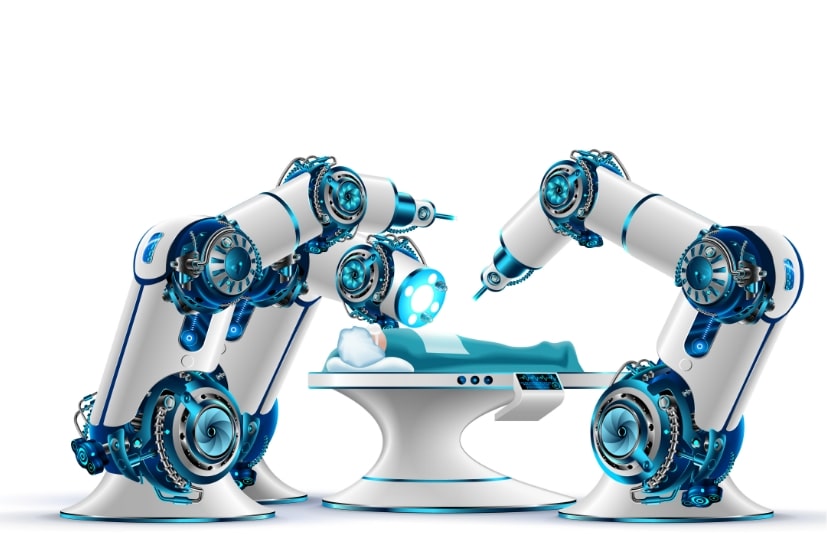
By attaching a downsized neutron source to a robot arm, it has made it possible to move it freely around the body. This is a state-of-the-art cancer therapy device that can irradiate neutron beams to tumor affected areas in a focused and efficient manner and it can be installed within hospitals.

ABOUT

BNCT (Boron Neutron Capture Therapy) is one of the latest cancer therapy methods that involves injecting a drug solution containing boron (10B) and irradiating neutrons to the areas where boron has accumulated in cancer cells. The irradiated neutrons have low energy and have little effect on normal cells, but when neutrons collide with boron, they cause a nuclear reaction and generate high-energy radiation. Since this high-energy radiation only hits almost one cell, it is possible to destroy only cancer cells.

Cutting Edge Technology

It began with the discovery of neutrons in the UK in 1932, and the BNCT principle was proposed in the USA in 1936. Clinical trials were conducted at the Brookhaven National Laboratory and MIT in the USA starting in 1951, but the quality of the boron chemical solutions and neutron beams at the time was low, and the research in the USA was stalled due to poor results.

BNCT treatment began in Japan in 1968. In addition to advances in PET (positron emission tomography) technology and improvements in the quality of boron chemicals, neutron sources have evolved from nuclear reactors to accelerators. Stable neutron beam irradiation was achieved, and the reduction of size and weight made it possible to install it inside hospital.
As a result, cancer treatment using BNCT has made remarkable progress, and the number of treatments has now surpassed that of the United States, making it number one in the world. Cancer treatment using BNCT is the most advanced and at the highest level in Japan in the whole world, and in June 2020, Japan became the first country in the world to begin providing health insurance treatment for unresectable locally advanced or locally recurrent head and neck cancer.

Fourth BNCT

1st generation

Neutrons generated in research reactors was used. Although the therapeutic effects of BNCT have been well confirmed, huge-scale facility that uses a nuclear reactor as a neutron source was not practically used in the medical front.

Fourth BNCT

2nd generation

Instead of nuclear reactors, accelerators were used as neutron sources. This method uses a cyclotron and others and the scale of the equipment is quite large and the investment amount is also huge and is still making it difficult to spread to medical front.

Fourth BNCT

3rd generation

By downsizing neutron sources using power semiconductor technology, it has become possible to spread them to hospitals. The major advantage of multi-field irradiation with neutron beams compared to the second generation is that it can also treat cancers in deep portion of body.

4th generation

Fourth BNCT

4th generation BNCT is a stereotactic radiotherapy type BNCT device in which an accelerator attached to the end of a robot arm moves freely around the body, enabling concentrated and efficient neutron beam irradiation to the tumor affected area. By moving a robot arm with a wide range of motion and irradiating neutron beams while changing locations it becomes possible to minimize damage to normal tissue and providing safe BNCT treatment with patients who have cancers deep within the body. Multiple cameras can detect the patient’s position in real time, track the tumor as it moves due to the patient’s movements, and irradiate the neutron beam from the optimal position and direction. There is no need for large-scale body retainer, and BNCT treatment can be provided with reduced physical burden on patients.
Combination with new boron drugs it is expected to expand the range of diseases that can be treated to lung cancer, stomach cancer, colorectal cancer, liver cancer, and breast cancer.
Before COVID-19 era, many wealthy Chinese patients were seen at heavy ion therapy facilities in Japan.
They were concerned that the level of medical professionals and irradiation technicians in their home country was not mature enough, so they chose to travel to Japan for treatment, even after considering the physical burden, time and effort, and expense. The 4th generation BNCT, which is backed by cutting-edge digital technology such as robot technology and AI technology, does not require doctors and laboratory technicians to have the advanced medical experience and skills required for proton beam therapy and heavy ion beam therapy. The technology can be easily transferred to Southeast Asian countries such as China, rapidly growing Vietnam, and Thailand, as well as the former Soviet Union, Middle East, and African countries, and is expected to promote rapid practical application and dissemination throughout the world.

ATHER BUSINESS

【Import and sales of boron raw materials】

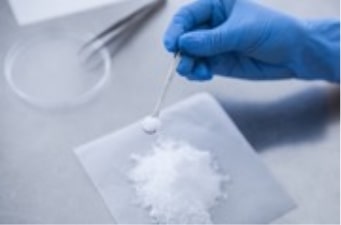
Before we import made-to-order 10B enriched boron from China which has an enrichment level of 99% and supply we will research the demand from medical-related companies around the world for the customization. Our imported products can provide large quantities of inexpensive, high-quality 10B concentrated boron compounds with short delivery times. It is planned to be utilized as new boron drugs.

  • 10B Enriched Boron Acid10B Enriched Boron Acid
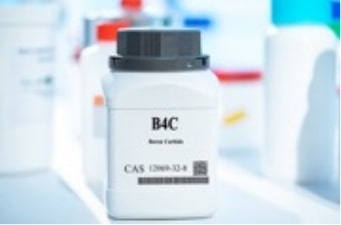
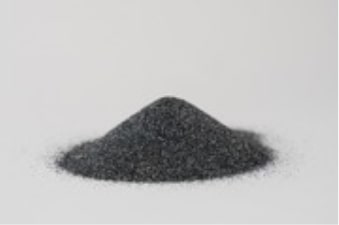
  • 10B Enriched  Boron Carbide10B Enriched Boron Carbide
  • 10B Enriched Boron10B Enriched Boron
  • 10B Enriched Boron Trifluoride10B Enriched Boron Trifluoride
  • 【Import and sales of soybean peptides】

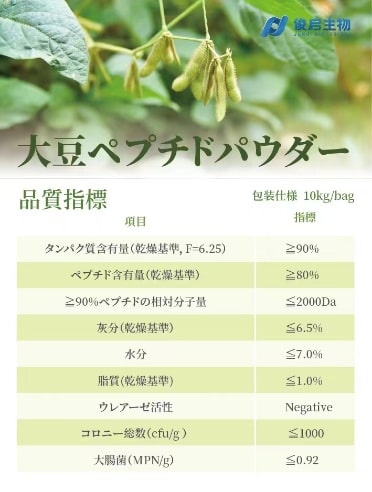
    Soybean peptides have excellent absorption properties that reduce physical fatigue and have recovery power, increase basal metabolism, and promote body fat burning, but existing Japanese products have a lingering odor, so the amount added needed to be limited. Our imported products are immediately adopted by major Japanese companies because they have no odor and do not affect their products. It also has the effect of improving skin viscoelasticity and suppressing UV damage and oxidation, thus it is also planned to be used in beauty products.
    Quality::European FSSC22000 certified
    Achievements: Starting this year, we will be selling it as an ingredient in non-alcoholic beer and high-protein instant noodles to major Japanese companies.
    Application as raw materials:For non-alcoholic beer Tasteless and odorless, no interference to taste, can be used in large amounts, very low purine bodies For high protein instant noodles: High protein and quick digestion For sports drink Excellent absorbency, high effectiveness in reducing physical fatigue and repairing muscles. For protein products Efficient growth hormone secretion promoting function to reduce muscle damage, Prevention of sarcopenia (skeletal muscle loss).

    Import and sales of soybean peptides

    【Import and sales of various peptide powders and food extracts】
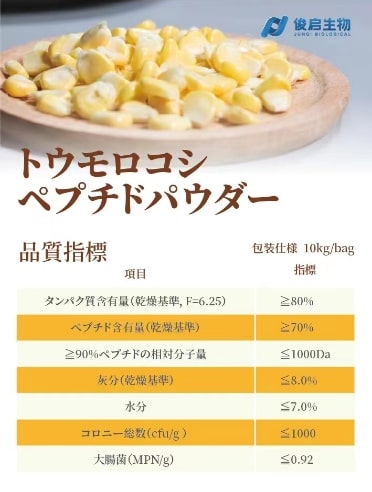
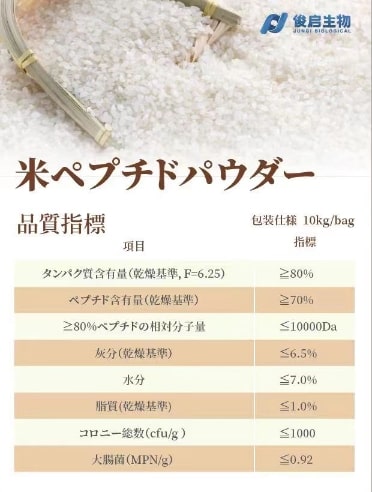
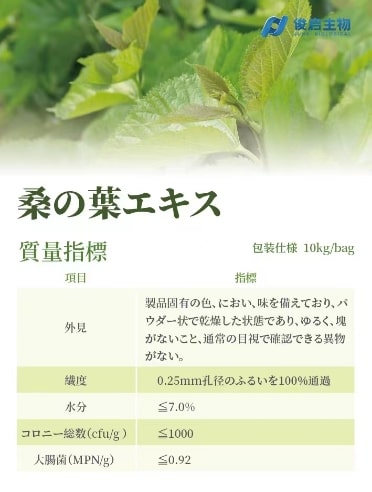
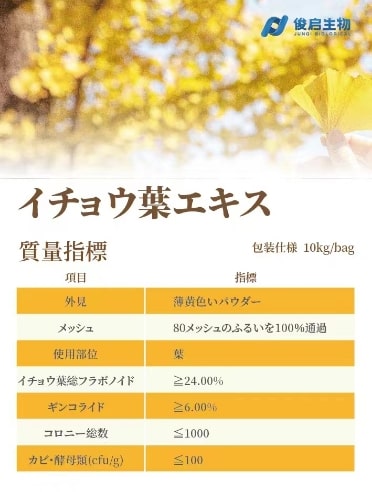
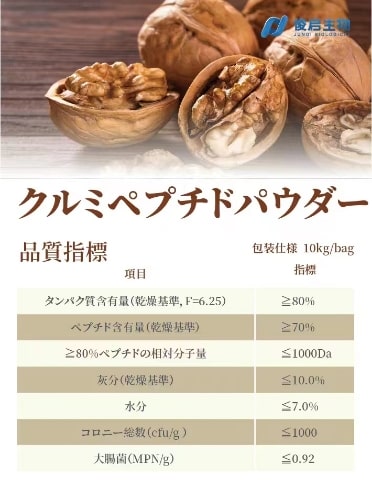
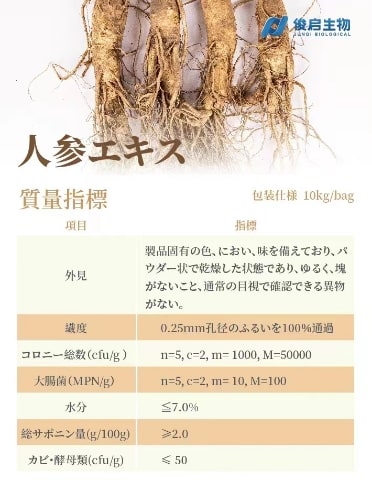
    In the future, we will in sequence import and introduce into market ginkgo biloba extract which has a good sleep effect, rice peptide powder which lowers blood uric acid levels and suppresses increases in blood sugar levels, corn peptide powder which is effective for the liver, mulberry leaf extract which has diet effect that suppresses the breakdown and absorption of carbohydrates, and carrot extract which is an ingredient in health drinks.

    • Import and sales of various peptide powders and food extracts
    • Import and sales of various peptide powders and food extracts
    • Import and sales of various peptide powders and food extracts
    • Import and sales of various peptide powders and food extracts
    • Import and sales of various peptide powders and food extracts
    • Import and sales of various peptide powders and food extracts

    MESSAGE

    The future of Japan’s advanced medical industry

    In addition to the aging population, declining birthrate, and social security issues, Japan’s medical industry has been greatly influenced, for better or worse, by international circumstances and politics. The Japanese government has supported the industry since the 2010s with a policy of “Developing the medical device industry into a driving force for Japan’s economy.” As a result, although the export value of medical equipment grew from 500 billion yen in 2011 to more than 1 trillion yen in 2018, it has not yet become a driving force. Japan’s medical industry has not caught up with Western manufacturers that positively adopt doctors from emerging countries who studied abroad in western countries. The global medical device market is estimated to expand to 50 trillion yen in 2023 and 200 trillion yen in 2050. It will become increasingly important in the future to become the de facto standard not only in the US market, the world’s largest; but also in China and emerging markets which are the center of market expansion.

    Medical Excellence JAPAN ~ Go one step further

    Led by the government, efforts have begun in the medical industry to provide the the world with world-leading Japanese medical technology. Although the focus is on medical introduction to Japan, we aim to go one step further. In other words, we aim to commercialize cutting-edge technologies in Japan that can be safely deployed also overseas through technology transfer. By providing Japan’s cutting-edge medical technology and products so that doctors in emerging countries can easily and proactively use them, we will be able to effectively utilize Japan’s limited sources of advanced medical care, and will realize to further increase the value.

    From Japan to the world, from the world to Japan

    We will not only provide the world’s most advanced Japanese medical technology and products, but also based on BNCT-centered network system with our associate overseas we will actively incorporate technologies, products, and raw materials from each country into Japan. Taking boron drugs as an example, the presence of cutting-edge research and products in Japan has not reached the level of widespread adoption because high cost of boron drugs is one of the reasons. We will eliminate the cost-wise barrier that hinders the spread of highly advanced medical care without compromising the safety and effectiveness of BNCT cancer treatment by relying on overseas sources for boron drug raw materials.

    Supporting medical care in Japan

    The Japanese government viewed the traditional vertically integrated structure of Japanese medical manufacturers as a problem and began to focus on structural reform. It proposes a division of labor that separates development from commercialization and sales to the manufacturers assuming all functions of development, design, production, and sales. Here, we aim to establish a business system from a global perspective, an international division of labor, and to become the latest model for Japan’s cutting-edge medical venture.

    CEOMASASHI MORO

    COMPANY

    COMPANY 株式会社硼泰医療技研(英語表記 HOUTAI MEDICAL TECHNOLOGY Inc)
    ADD ■Tokyo Office:
    Shinbashi Tokyu Building 2F
    4-21-3 Shinbashi, Minato-ku, Tokyo 105-0004, Japan
    Phone: +81-3-6895-7573

    ■Kyoto Office:
    Office Field Kyoto Room 510
    121 Tamagura-cho, Rokkaku-dori, Muromachi Nishi-iru, Nakagyo-ku, Kyoto 604-8211, Japan
    Phone: +81-75-332-5680
    Date founded 2023/10/20
    Business details ・Design, development, manufacturing, maintenance management, sales, and import/export of advanced medical equipment
    ・Sales, import and export of various raw materials such as boron compounds and parts and materials ・Sales, import and export of radiation generators
    ・Survey on advanced medical devices and pharmaceuticals
    ・R&D outsourcing
    ・Design, development, maintenance management, and sales of various software
    ・Various consulting and information provision services

    CONTACT

    NameMust
    Phone-numberMust
    Mail-addressMust
    Consultation contentMust